
I enjoy logic, but I don’t want it used on me.
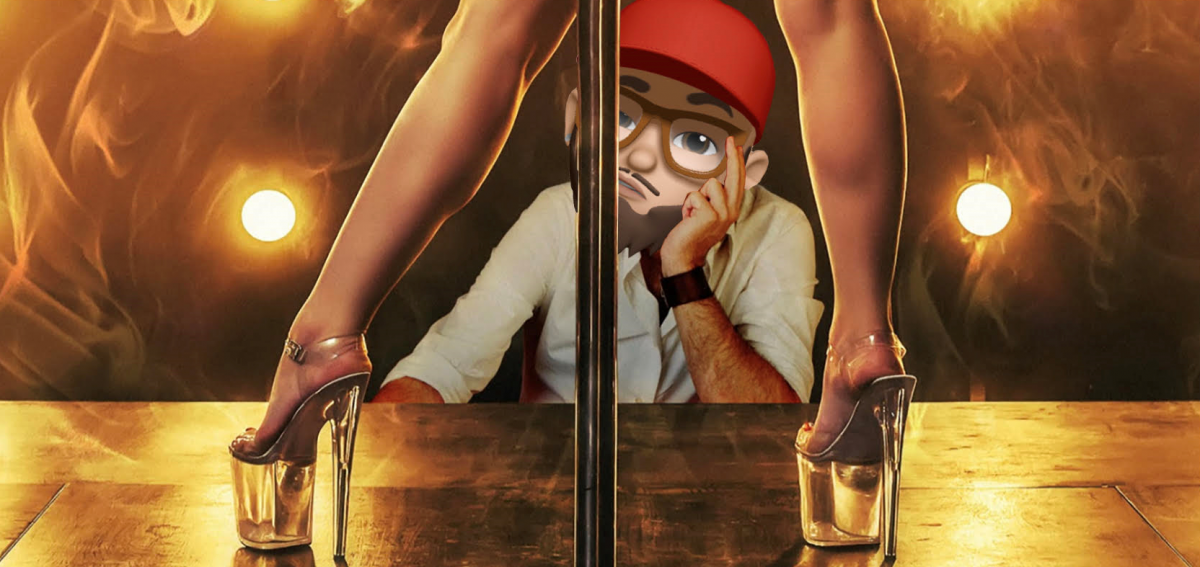
I enjoy logic, but I don’t want it used on me.
I’ve always said, “Underestimation can turn a farmer into a general”. To me, that maxim speaks to the severe danger of underestimating an “opponent” (I’m very competitive and slightly paranoid so I treat most people like opponents). And as I’ve applied the Never-Underestimate Philosophy to my life, with fruitful results, the philosophy is not FOOL-PROOF (pun intended). There will always be someone who’s talent or ability is worthy of UNDERestimation. Consequently, overestimation can create a detrimental blind-spot that could potentially lead to the downfall of any budding, young strategist. It’s a delicate understanding, but an important one. Chess seems to illustrate the point most clearly: during a game with a new opponent the advanced player can create an intricate strategy with built-in defenses against the most likely moves ahead, which only works if the other player knows the likely moves. If one player is better than the other, he or she can open-up a direct path to victory because he or she is guarding against more complicated routes. So when in business, sports or life, in general, the analysis of the opponent should take place at all levels of the game. Don’t over or under, just estimate the threat!
You’ve been lied to…the Bookworm, a symbol of the book smart, bibliophile class, does not exist! There is no such worm or insect. What we know as the Bookworm can actually be any number of wood boring insects in the larva stage, usually a beetle.
So next time you’re called a Bookworm, because you’re occasionally seen reading a book recognize that they’re calling you a Wood Boring Beetle with no discernable trait for intelligence due to book-learning
What is wrong with the basics! There is an important truth in the unaltered, unadjusted form. I’m not saying improvement is wrong or that growth in concept or innovation is a bad thing, but what about that original concept. When people refer to the basics or the fundamentals of something it is always perceivedas a starting point, but often times, we begin something only to realize we preferred how it all began to where it is now. Human nature secretly yearns for the simplistic, but will never admit it for fear of being deemed simple.
The Arts are the best medium to make my thoughts clearer, in particular the area of music. For instance, the bongo is an instrument rooted in simplicity: someone hits it and it makes noise. It’s a hollow, barrel-shaped structure with a fiber stretched across the top. Just hit the skin or fiber and the sound echoes, do it a bunch and it builds a rhythm. Simple and effective. However, I’m sure at some point in the bongo’s history someone thought to look into complicating the bongo. I’m sure someone spent countless hours devising a proper hand position to strike the bongo and terminology to explain said position or the scale the bongo should register in or something along those lines. Ultimately, the elegance of this seemingly rudimentary instrument was lost. Now I don’t pretend that an expansion of understanding about a subject ruins it; I only mean to state that a simplification of a subject doesn’t always mean a regression.
There was a time – as science and technology slept like the proverbial dragon atop of a wealth knowledge and understanding – that Arts like literature and music were left to develop and grow without the skepticism they now face about their overall knowledge value. That time was spent over-analyzing the many art forms instead of solidifying the simple connections that aesthetics and expression have with the Human Spirit. Consequently, as technology continues to march us closer and closer to some sort of Terminator-esque Doomscapelittered with the corpses of our murdered Privacy and starved Discovery there is no foil in sight. There is no cry for the simple beautiful picture or poem or the pure sound that comes from the heroic Bongo.



 Strip Clubs are Sad Discos